

Buying a used car should feel exciting. You’ve found “the one”, the price looks fair, the photos shine… and then, a few months later, the bills start rolling in. Franchement, I’ve seen this story way too many times. And most of the time, it’s not bad luck — it’s because of a few classic mistakes people repeat without even noticing.
Let’s go through the errors that really cost money, the ones I’ve seen again and again, whether in small-town dealerships or on big online marketplaces.
1. Trusting the listing without checking the paperwork

It sounds obvious, but honestly, many buyers don’t even read the service history properly. They skim it. A stamp here, a stamp there… done. But no. A real look means checking dates, mileage, and what has actually been done.
Ask yourself: Do I know when the timing belt was changed? If the answer is “not sure”, you’re already walking on thin ice. A timing belt replacement can run anywhere from £300 to over £800 depending on the model. That’s not pocket change.
2. Ignoring the test drive… or doing a lazy one

Some people test drive like they’re taking a Sunday stroll. Slow, straight line, maybe a roundabout. That’s nothing. You need to push the car a little — not abuse it, but feel it.
Personally, I always try a short hill if there’s one nearby. A struggling engine on an incline tells you more in 5 seconds than 20 minutes of flat roads. Same for braking: a pedal that vibrates or sinks too slowly… that’s a red flag.
3. Falling for a “too clean” car

When I see a car polished like it’s entering a showroom competition, I get suspicious. A normal used car has tiny marks, maybe a scuff inside the boot, a bit of wear on the steering wheel. That’s life.
But when everything looks perfect, seats shiny, engine bay spotless, carpets newly washed — sometimes it means something was just cleaned to hide traces. Oil leaks don’t magically disappear; they just get wiped.
4. Not checking the tyres — all four of them
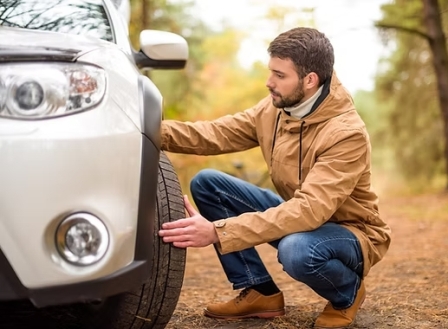
This one… it surprises me every time. People look at the front tyres and forget the rear ones exist. Yet, uneven wear can reveal suspension problems, alignment issues, even structural damage from an old accident.
Take 30 seconds and run your hand over the tread. Feel for bumps or sharp edges. If the wear pattern looks weird, walk away. Fixing alignment is cheap; fixing hidden damage is not.
5. Believing “low mileage = perfect car”
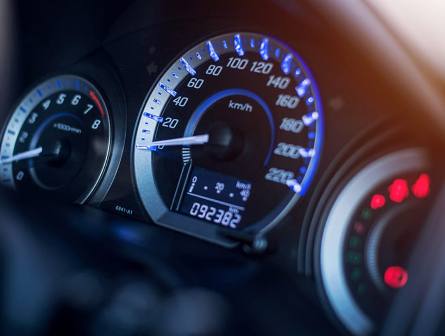
Low mileage feels reassuring, I get it. But a car that barely moves for years isn’t necessarily healthy. Oil ages. Rubber dries. Batteries weaken. I once saw a three-year-old car with 8,000 miles and tyres cracked like it lived in a desert.
Sometimes, a well-maintained 80,000-mile car is a safer bet than a forgotten low-mileage one.
6. Skipping a pre-purchase inspection because “it looks fine”

A mechanic’s inspection costs what… £80, maybe £120 in some places? Compare that to discovering a clutch on its last breath two weeks later. That’s easily £500–£900.
Honestly, skipping the inspection is one of the most expensive forms of optimism I’ve ever seen.
7. Rushing the deal because “someone else might buy it”

Sellers know pressure works. “I have another buyer coming in an hour”, “This price is only for today”… sure. Maybe. But probably not.
If a seller tries too hard to rush you, ask yourself why. Good cars sell fast, yes, but real deals don’t need theatrics.
How to avoid all these headaches
The secret isn’t complicated:
Take your time, check everything, ask questions, and walk away if something feels off.
The car world rewards patience. Every time I’ve ignored a small doubt — a noise, a missing invoice, a strange smell during the test drive — it came back to bite me. And pretty hard.
So ask yourself: Am I choosing this car because it’s good, or because I’m tired of searching?
Final thought
A used car can be a fantastic deal, a long-lasting companion, something you actually enjoy driving. But only if you avoid the traps that drain your wallet later.
Be curious. Be slow. Be picky. Your bank account will thank you, and honestly… your future self too.
